17 practical tips for a shop window that stops people
Plenty of shopkeepers are daunted by the idea of putting together a window that stops people in the street. They think it takes a great deal of effort and money to get anywhere. They don’t know which products to put in, how to arrange them, or when the whole thing should change.
A window isn’t the part of the shop where you show passers-by your prices. It’s there to sell what’s in it, to invite people in, or at the very least to lodge the shop’s name in their memory.
Putting up bold windows and taking them down again ought to become part of a shopkeeper’s routine.
Piling products up with no sense of order, or of what’s happening in the calendar, and sticking “SALE” signs across every pane, wears people down and leaves them indifferent — and quietly marks your shop down in everybody’s mind.
No more dead flies in the window and no more people walking past without so much as turning their head. People want to be entertained and surprised. With that in mind, here are 17 practical tips you can put to work on your window today:
Plan 30 days ahead
Have the window planned a month in advance. A rough idea is enough. Inspiration on the day matters enormously, but it will only ever affect the small details — which are sometimes the most important ones.
Choose a palette
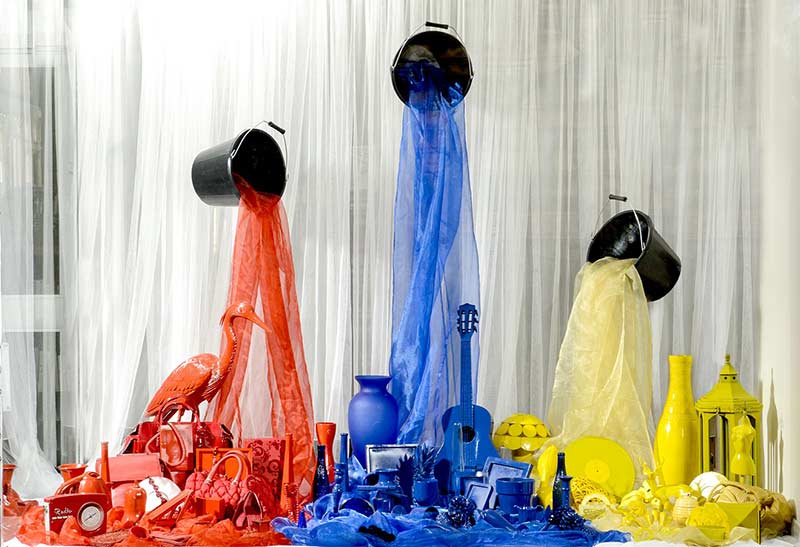
The range of colours you use matters a great deal, and you want to settle it before you start building anything. You can use a single colour or a combination of several, but do it deliberately.
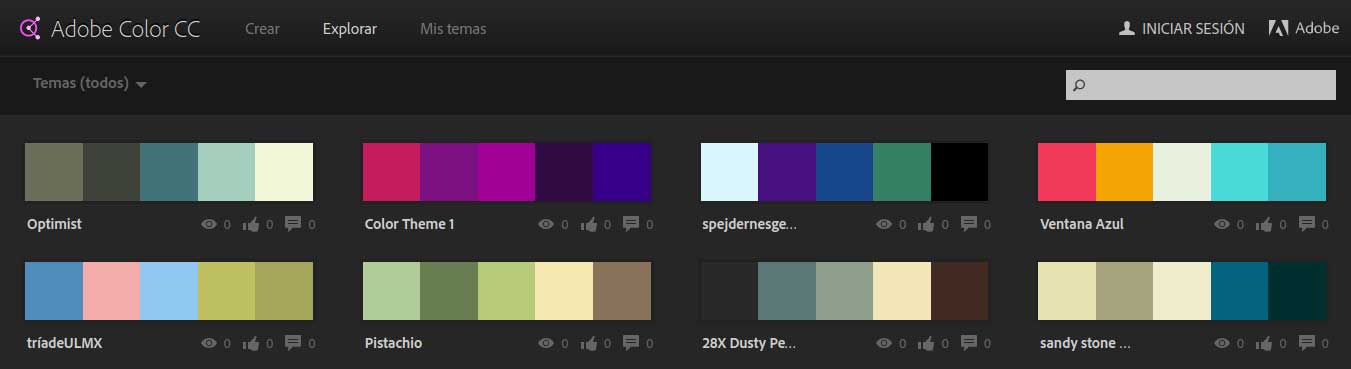
If you’d like a hand with this, Adobe has a collaborative tool where designers put up different colour combinations. You can see it by clicking here.
Give the scene a context
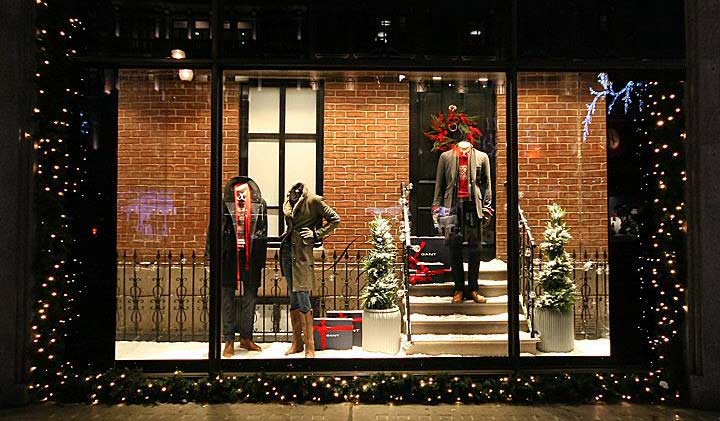
Whatever you stage in the window needs a context the customer can recognise and see themselves in. A perfect example of what I mean is one we wrote about on our blog: a chain that built windows imitating a worn-out New York subway platform. Other scenes might be a Valentine’s dinner, a winter landscape, a dance hall and so on.
Show the products on levels
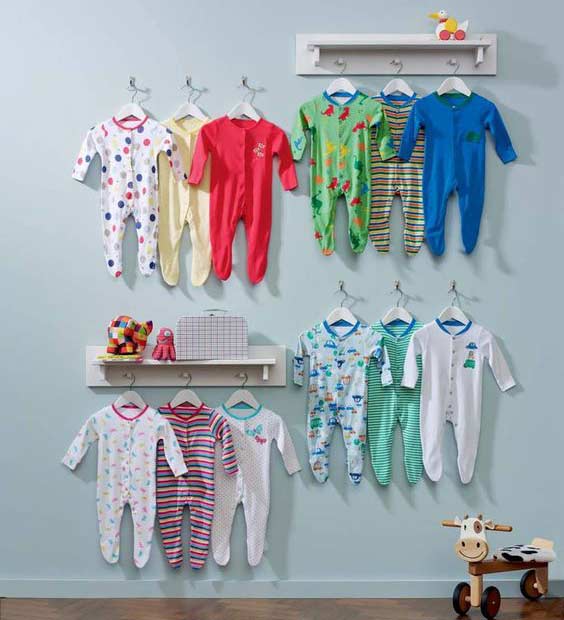
A good window is designed so that the passer-by stops at what’s in the middle, looks down, and then looks up. So even if you have things at all three levels, mark them out somehow. Making all three equally interesting keeps their attention from wandering off at the last moment, and gives all three a chance to be the one that brings them through the door.
Put the products at eye level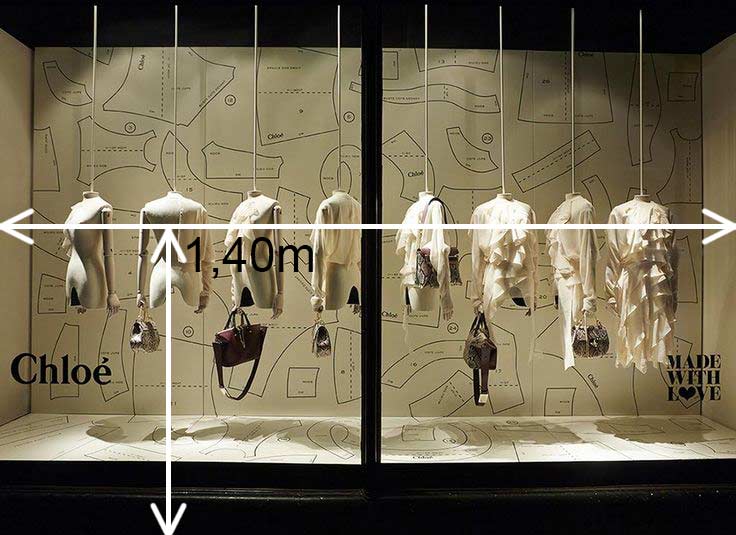
It’s well established that people’s eyes travel along a line that slopes slightly downwards. Put your main product at an average height of 1.4 m. Bear in mind, too, that the tendency is to look down rather than up.
That way, not only the person on foot but the one in a car can take in at a glance how striking your window is. An original window is no use at all if nobody’s eye is drawn to it, simply because they never saw it.
Let people see into the shop
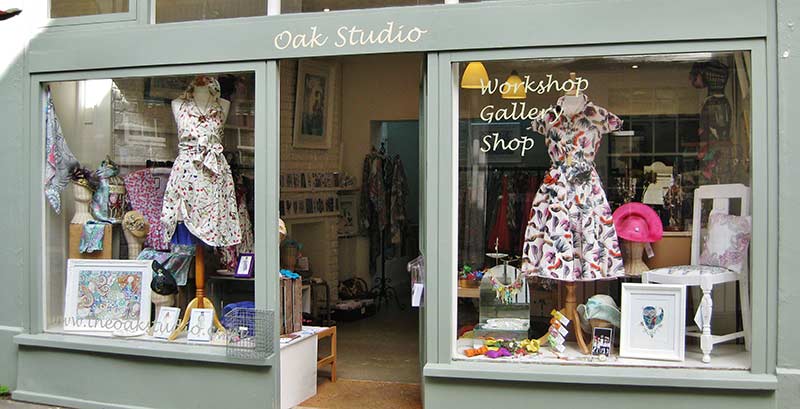
It’s worth leaving a gap for people to look inside. If they can’t see in, they have far less reason to come in. This comes down to the irrational fear we all have of the unknown: if they can work out what they’ll find on the other side of the door, the fear goes.
Too many colours muddle the customer
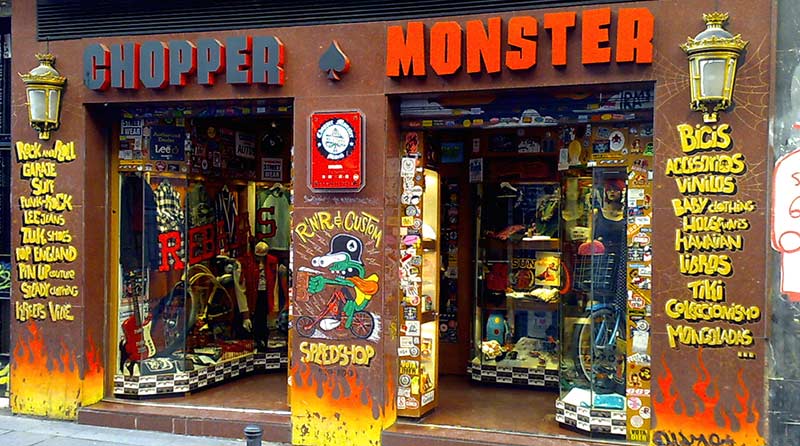
Don’t use a lot of colours. What usually happens with a lot of colours is that the result jars. It isn’t elegant, and the likeliest outcome is a combination that makes people walk past a little faster to stop having to look at it.
Use at least three colours
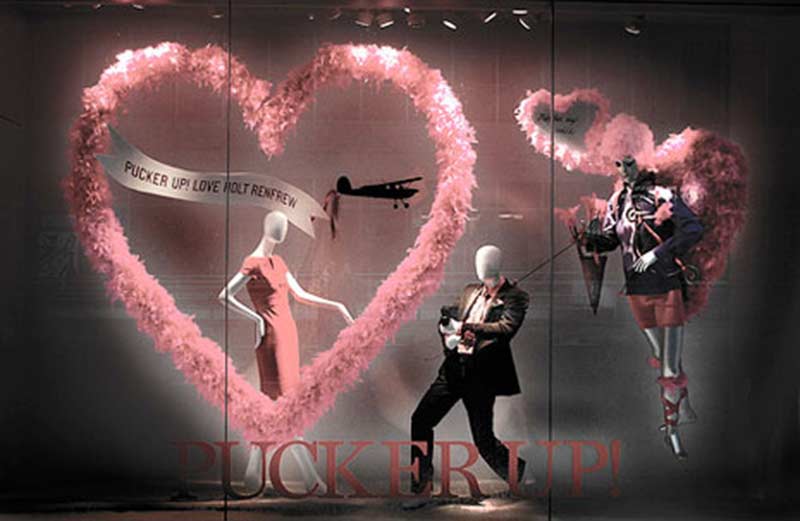
Unless you’re going for black and white alone, pick three colours or more. Three is ideal for a window that looks coherent and elegant. A base of three gives you plenty to work with: if you want a deep red product to stand out, for instance, black and white behind it will do exactly that.
The window is for the things that are hardest to sell
The window is, when it comes down to it, a tool for selling what’s in it. The products to put there are the ones that are hardest to shift off the shelves inside.
Don’t bombard people with the same message
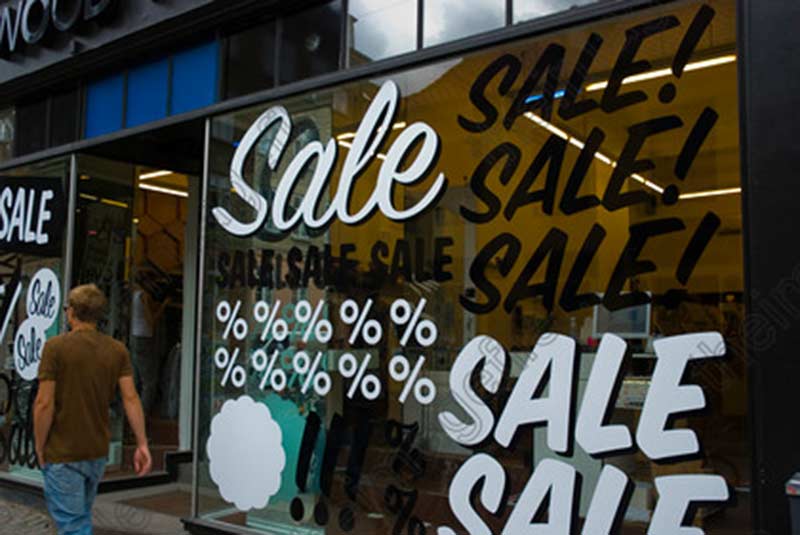
It’s uncomfortable to look at a window with “SALE” repeated across every pane. It doesn’t just cheapen your stock — it actively puts people off.
Clean it whenever it needs it
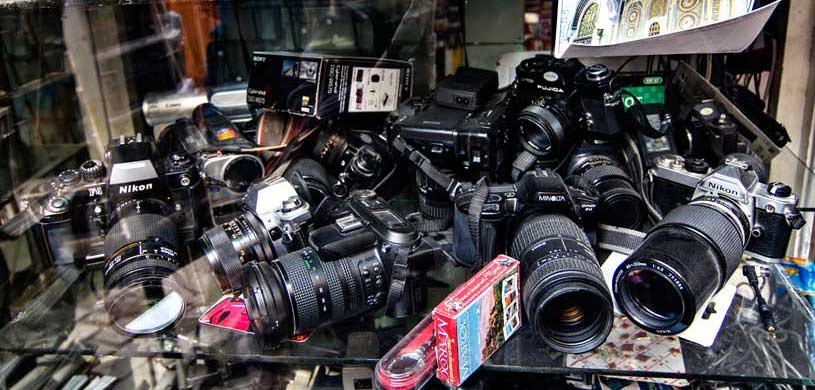
Clean the glass whenever it’s dirty, and certainly clean the floor, the ceiling, the walls and the glass inside and out every time you change the display. It’s one of those things that drives potential customers away, without fail and without exception.
Don’t put too much in it
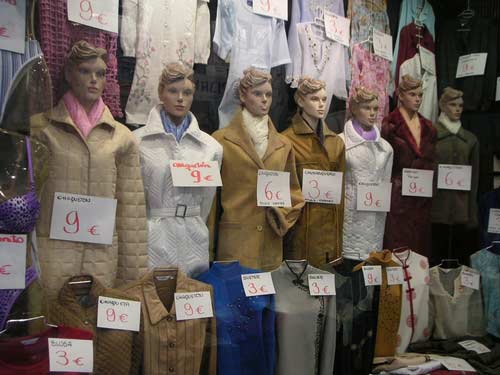
Cramming in as many products as will physically fit, one behind the other, with no thought to it, is simply one more reason not to go into that shop. It looks as though you don’t treat your stock well, but above all it fails to present anything as special or as right for the customer. That kind of handling drags your shop’s standing down with it.
Change the window every month
Novelty draws people in and makes a shop look alive. Not only because of the curious who come over to see what’s new, but because everyone likes buying from the shops that stand out. There’s an enormous difference between walking into a shop that keeps changing and drawing a crowd to its window, and one that’s dull, unchanging and dead on its feet.
Be loud, be a bit contentious
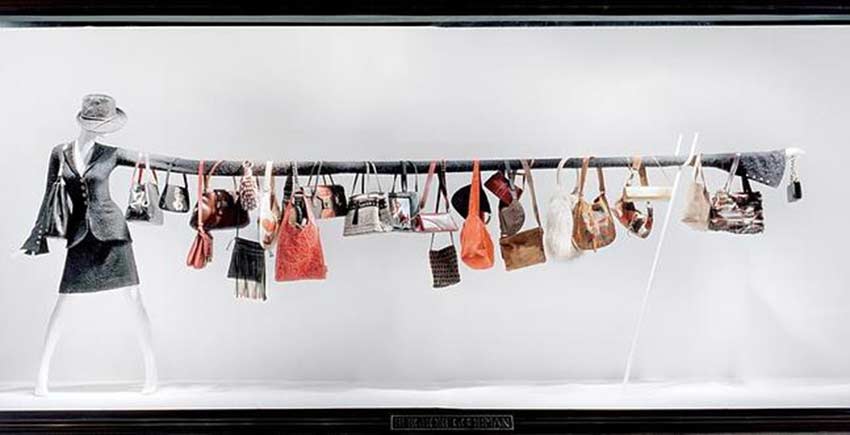
Let them talk — as long as they’re talking about you. Being loud, within reason, is a fine way of getting noticed. Loud windows sell more, and that’s as true as anything in this trade. A note of caution: don’t try this if you happen to run a long-established hat shop.
Copy the windows that work abroad
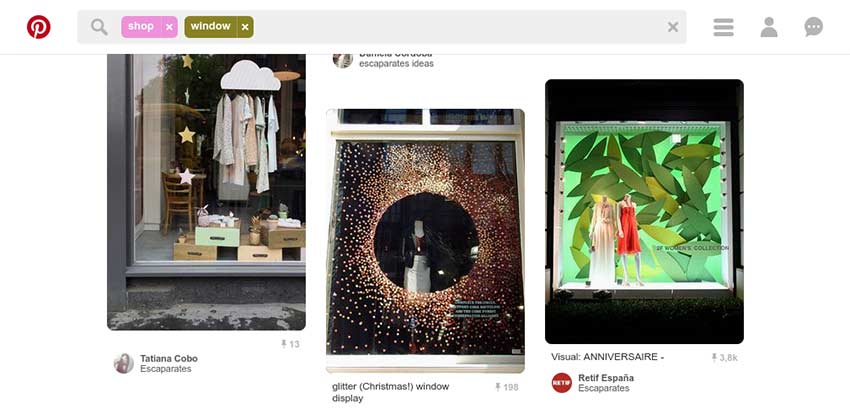
Copying isn’t good, it’s excellent. Add your own bit to it, but take the ideas from people who’ve already caused a stir with them somewhere else. There are no end of photographs of superb windows on Google and on Pinterest, and if you copy them nobody will ever be any the wiser.
Be inventive — don’t be timid
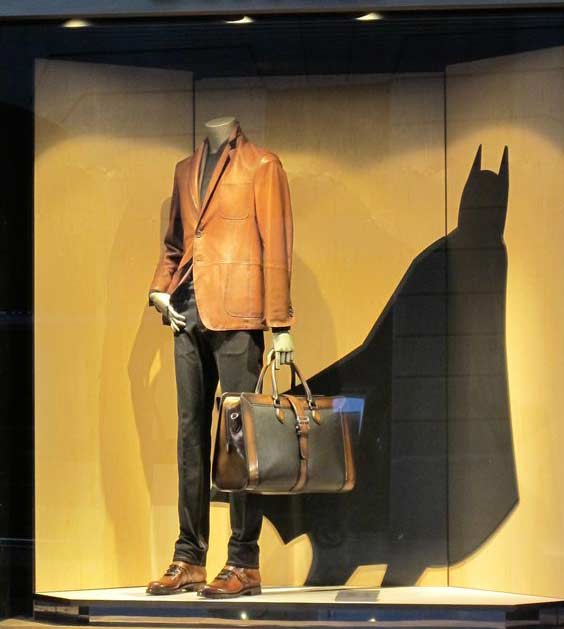
Imagination is your best ally in getting noticed. However many rules there are for dressing a window, and however much money your competitors put into their decorations, none of it will ever beat a window with a genuine “wow” to it.
Sometimes you have to be gaudy
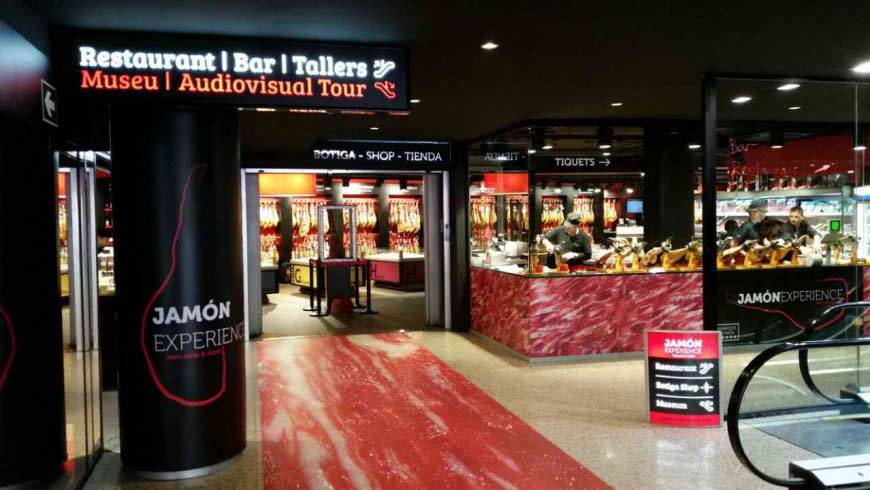
Some shops on the high street live off tourists, and what they sell is bought on impulse. If you’re offering the same as the shops on either side of you, perhaps all you need is to shine a little brighter than they do. Mind you, it’s a tactic that only works until the competition responds and gets just as loud as you are. But you’ll have another plan by then, won’t you?